
Understanding Blood Sugar Ranges: A Comprehensive Guide to Normal, Pre-Diabetic, and Diabetic Levels by Age
Medically Reviewed Guide Based on the American Diabetes Association
Introduction: Why Blood Sugar Deserves Your Attention
Most people only think about blood sugar when they hear the word diabetes. However, blood sugar plays a crucial role in nearly every function in the body, including energy production, brain performance, and overall metabolic health.
Blood sugar, also known as glucose, is the primary source of energy for the body’s cells. After eating, the body converts food into glucose, which enters the bloodstream and is used for energy. However, when blood sugar levels become too high or too low, it can lead to serious health issues.
Maintaining balanced blood sugar levels is essential for preventing conditions such as diabetes, heart disease, and other long-term complications. Understanding these levels allows individuals to take control of their health and make informed decisions.
Normal Blood Sugar Levels
Understanding what is considered normal blood sugar is the first step toward maintaining good health.
According to the American Diabetes Association:
Fasting blood sugar: 70–99 mg/dL
Blood sugar two hours after eating: Less than 140 mg/dL
These values indicate that the body is effectively regulating glucose levels through proper insulin function.
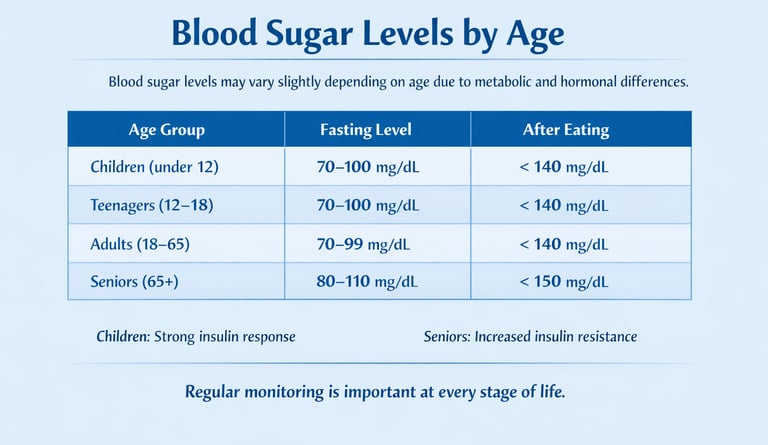
Blood Sugar Levels by Age
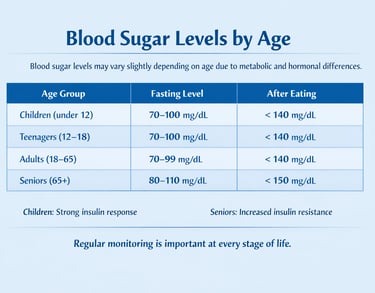
Blood sugar levels may vary slightly depending on age due to metabolic and hormonal differences.
Children typically have strong insulin responses, while older adults may experience increased insulin resistance. These natural changes make it important to monitor blood sugar levels regularly across different life stages.
Pre-Diabetes: An Early Warning Stage
Pre-diabetes occurs when blood sugar levels are higher than normal but not high enough to be classified as diabetes.
Blood sugar ranges for pre-diabetes include:
Fasting: 100–125 mg/dL
After glucose test: 140–199 mg/dL
This stage often develops without noticeable symptoms, making it important to monitor blood sugar regularly.
If left unmanaged, pre-diabetes can lead to type 2 diabetes, heart disease, and other complications. However, this condition is often reversible through lifestyle changes such as improving diet, increasing physical activity, and maintaining a healthy weight.
Diabetes: Understanding the Condition
Diabetes is a chronic condition in which the body is unable to regulate blood sugar effectively.
Diagnostic levels include:
Fasting blood sugar: 126 mg/dL or higher
Blood sugar after eating: 200 mg/dL or higher
There are two main types of diabetes:
Type 1 diabetes, where the body does not produce insulin
Type 2 diabetes, where the body becomes resistant to insulin
For individuals with diabetes, maintaining target blood sugar levels is essential:
Before meals: 80–130 mg/dL
After meals: Less than 180 mg/dL
Proper management includes regular monitoring, a balanced diet, physical activity, and prescribed medications.
How Lifestyle Affects Blood Sugar
Daily habits have a significant impact on blood sugar levels.
Diet plays a major role. Foods high in sugar and refined carbohydrates can cause rapid spikes, while fiber-rich and protein-based foods help stabilize blood sugar.
Physical activity improves insulin sensitivity and helps the body use glucose more effectively.
Sleep and stress also influence blood sugar levels. Poor sleep and high stress can lead to increased glucose levels and reduced insulin efficiency.
Doctor Recommendations for Blood Sugar Control
Based on guidelines from the American Diabetes Association, the following recommendations are widely advised:
Follow a balanced and nutrient-rich diet
Engage in regular physical activity
Monitor blood sugar levels consistently
Maintain a healthy body weight
Follow prescribed medications and medical advice
These steps can significantly improve blood sugar control and reduce the risk of complications.
Importance of Monitoring Blood Sugar
Regular monitoring allows individuals to understand how their body responds to food, exercise, and lifestyle habits.
It helps in preventing sudden spikes or drops and supports better long-term health management.
Common monitoring tools include glucometers, continuous glucose monitoring systems, and health tracking applications.
Medical Disclaimer
This content is intended for informational and educational purposes only and should not be considered medical advice.
Always consult a qualified healthcare professional before making any changes to your diet, exercise routine, or medication. Individual health needs may vary, and proper diagnosis requires professional evaluation.
Conclusion
Understanding blood sugar ranges is essential for maintaining overall health. Knowing whether your levels fall within the normal, pre-diabetic, or diabetic range allows you to take timely action.
With proper lifestyle habits, regular monitoring, and professional guidance, it is possible to maintain healthy blood sugar levels and prevent long-term complications.

"At Made It Life Easy, our goal is to bring you simple and effective solutions. When it comes to managing sugar levels naturally, I have focused on the one essential product that stands out for its quality and results. You will find the link to Sugar Defender—my #1 recommended choice—highlighted throughout this article. I’ve made it easy for you to access: simply click the image link to discover how this single addition can support your journey toward better metabolic health today!"