
Understanding the Glycemic Index: A Comparative List of Foods
If you’ve ever noticed that some foods keep you full for hours while others leave you hungry again within a short time, you’re not imagining things. I used to think it was just about eating “more” or “less,” but the real difference often comes down to how food affects your blood sugar. That’s where the Glycemic Index, or GI, becomes important.
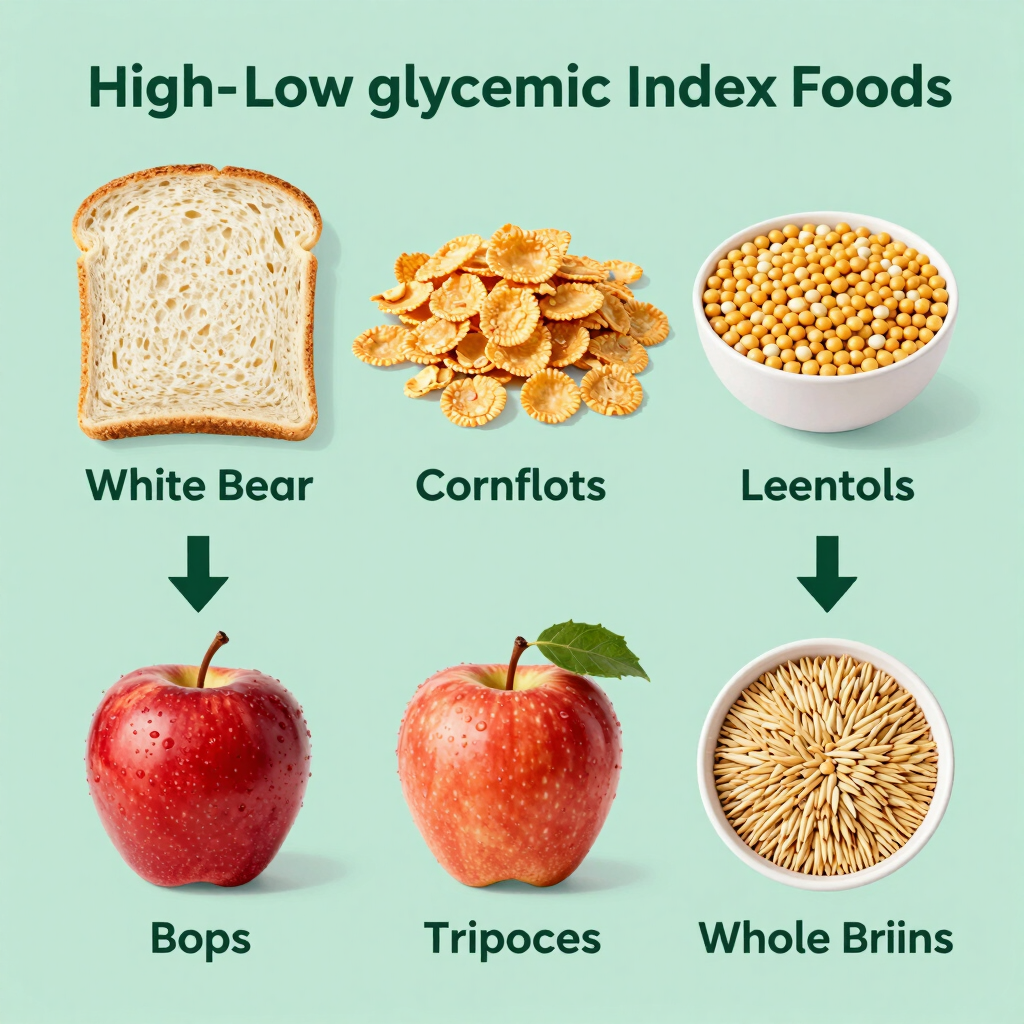
What is the Glycemic Index?
In simple terms, the Glycemic Index measures how quickly a carbohydrate-containing food raises your blood sugar levels.
Some foods break down very fast in your body, causing a sudden spike in energy. Others digest slowly, giving you a steady release of energy over time.
The GI scale ranges from 0 to 100:
Foods below 55 are considered low GI
Between 56–69 is medium
Above 70 is high GI
Glucose itself sits at 100, which is why it’s used as a reference point.
Why It Matters in Daily Life
This isn’t just theory—it actually shows up in your everyday routine.
For example, if you’ve ever had a sugary breakfast or something like cornflakes, you might feel full for a short while. But soon after, you start feeling tired or hungry again. That’s a typical high GI response.
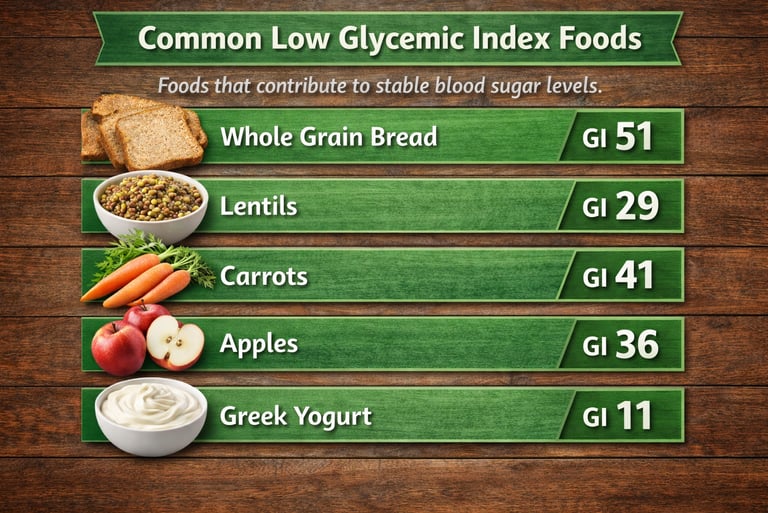
On the other hand, meals that include things like lentils, whole grains, or yogurt tend to keep you satisfied for longer. That’s the effect of low GI foods.
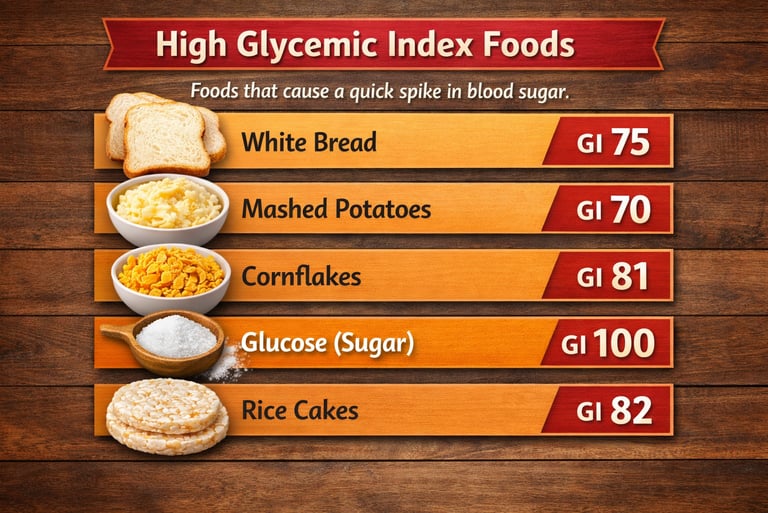
High Glycemic Index Foods (Best to Limit)
These foods are usually processed or refined, which makes them easier for your body to break down quickly.
Eating these occasionally is fine, but relying on them too often can lead to energy crashes and frequent hunger.
One simple trick I personally follow is not eating these foods on their own. Pairing them with something rich in protein or fiber—like adding peanut butter to bread or having rice with pulses—makes a noticeable difference.
Low Glycemic Index Foods (Better Daily Choices)
Low GI foods are generally less processed and often contain fiber, protein, or healthy fats.
What I like about these foods is that they don’t just help with blood sugar—they also keep you full longer, which naturally reduces unnecessary snacking.
A Small Detail Most People Miss
Something I didn’t realize earlier is that GI doesn’t work in isolation.
You don’t eat foods individually—you eat meals.
So the combination matters more than the number itself.
For example:
Eating plain rice can spike blood sugar quickly
But eating rice with dal, vegetables, and a bit of fat slows everything down
This is why traditional meals often work better than modern processed ones.
Simple Changes That Actually Help
You don’t need to follow a strict diet to see results. A few small adjustments can go a long way:
Try switching from white bread to whole grain
Add some form of protein to your meals
Include vegetables or salad whenever possible
Cut down on sugary drinks
Take a short walk after meals
These are simple habits, but they make a real difference over time.
A Practical Day of Eating (Nothing Fancy)
Here’s what a balanced day could look like:
Breakfast
Oatmeal topped with sliced apples and a handful of nuts
Lunch
Whole grain wrap or brown rice bowl with lentils/beans, veggies, and a side salad
Afternoon Snack
Fresh fruit with a handful of almonds or peanuts
Dinner
A light meal like grilled chicken or tofu with steamed vegetables and quinoa
No complicated rules—just simple, balanced choices that keep your energy steady throughout the day.
Final Thoughts
Understanding the Glycemic Index isn’t about avoiding foods completely. It’s about knowing how your body reacts and making smarter choices accordingly.
You don’t need perfection. Just consistency.
Even small changes—like choosing whole foods over processed ones—can improve your energy, reduce cravings, and support better health in the long run.
Quick Summary
High GI foods → quick energy, quick crash
Low GI foods → steady energy, longer fullness
Balanced meals matter more than individual foods
"At Made It Life Easy, our goal is to bring you simple and effective solutions. When it comes to managing sugar levels naturally, I have focused on the one essential product that stands out for its quality and results. You will find the link to Sugar Defender—my #1 recommended choice—highlighted throughout this article. I’ve made it easy for you to access: simply click the image link to discover how this single addition can support your journey toward better metabolic health today!"