
Foods That Naturally Lower Blood Sugar: A Guide to Maintaining Healthy Levels
Understanding Blood Sugar Levels
Blood sugar levels, also known as glucose levels, refer to the amount of glucose present in the bloodstream at a given time. Glucose, a simple sugar, is a primary source of energy for the body’s cells, and maintaining stable blood sugar levels is vital for overall health. Blood sugar levels are typically measured in milligrams per deciliter (mg/dL) and can be assessed through various tests, such as fasting blood sugar tests or glucose tolerance tests.
Normal blood sugar levels are generally considered to be between 70 and 100 mg/dL when fasting and less than 140 mg/dL two hours after eating. However, levels that either dip too low or soar too high can lead to serious health issues. Low blood sugar, or hypoglycemia, can cause symptoms such as sweating, tremors, and confusion, while high blood sugar, or hyperglycemia, can lead to long-term complications, including diabetes and cardiovascular diseases.
The foods we consume can have a significant impact on blood sugar levels. For instance, carbohydrate-rich foods, especially those that are high in refined sugars, can lead to rapid increases in blood sugar levels. Therefore, monitoring the glycemic index (GI) of foods becomes important. The glycemic index is a ranking of carbohydrates based on their immediate effect on blood sugar. Foods with a high GI value, such as white bread and sugary snacks, tend to cause spikes in blood sugar. In contrast, low GI foods, including whole grains, legumes, and certain fruits and vegetables, release glucose more slowly and help maintain stable blood sugar levels.
Understanding blood sugar levels and the glycemic index of various foods is crucial for maintaining optimal health. By making informed dietary choices, individuals can effectively manage their blood sugar levels and reduce the risk of related health complications.
Top Foods to Naturally Lower Blood Sugar
Maintaining balanced blood sugar levels is crucial for overall health, particularly for those managing diabetes or prediabetes. Incorporating certain foods into your diet can help achieve this goal. Here, we will explore some of the top foods that have been shown to naturally lower blood sugar.
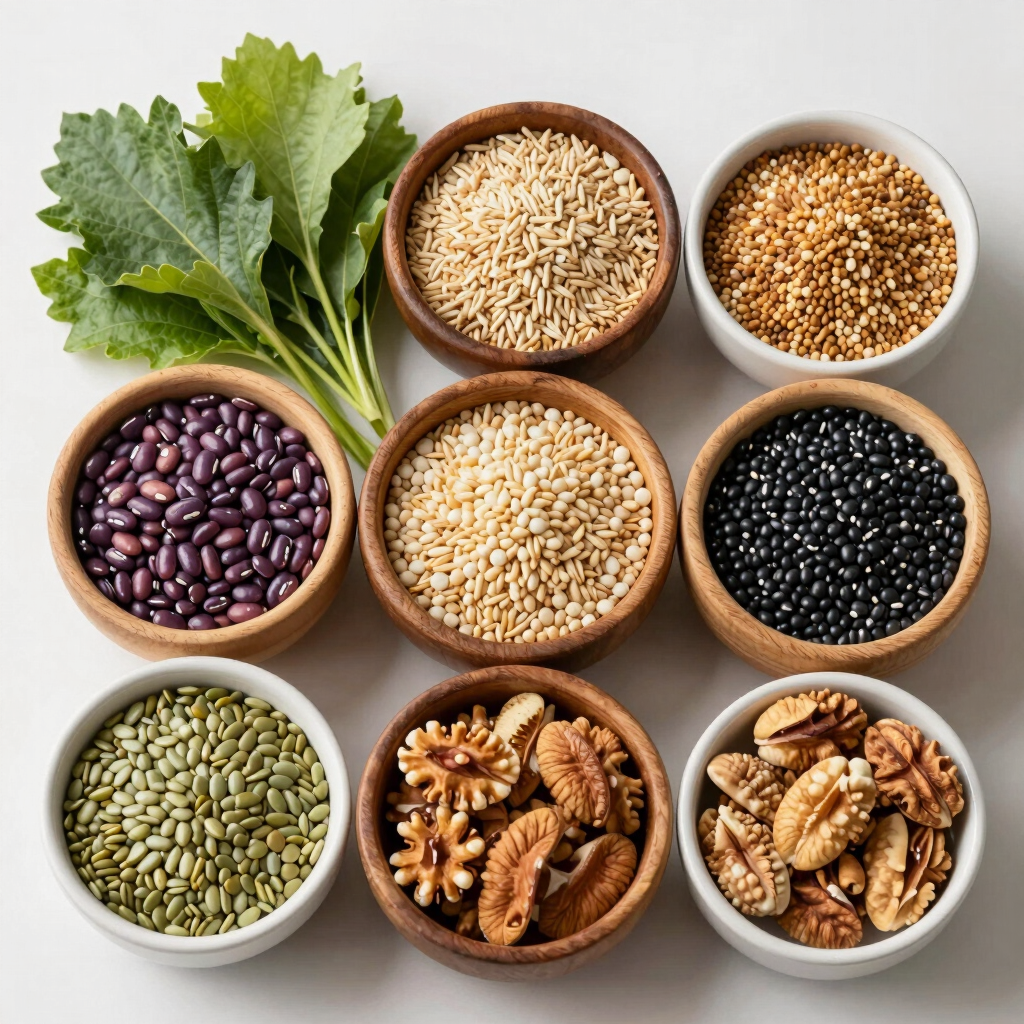
Leafy Greens, such as spinach and kale, are powerhouses of nutrients. They are low in calories and carbohydrates, which helps in managing blood sugar levels more effectively. These greens are also high in fiber, aiding digestion and contributing to a feeling of fullness, which can prevent overeating.
Whole Grains are another excellent choice. Foods like quinoa, brown rice, and whole-wheat products provide complex carbohydrates that are digested slowly, preventing spikes in blood sugar. Incorporating whole grains into meals, such as using quinoa in salads or opting for whole-wheat bread, can enhance blood sugar stability.
Legumes, including lentils, chickpeas, and black beans, are rich in protein and fiber. This combination slows the absorption of sugars into the bloodstream, thus promoting lower blood sugar levels. You can easily add legumes to soups, salads, or as a side dish to enhance the nutritional profile of your meals.
Nuts and Seeds, such as almonds, walnuts, and chia seeds, are also beneficial. They are packed with healthy fats, protein, and fiber. Including a small handful of nuts as a snack or topping salads with seeds can help stabilize blood sugar levels, making them a simple addition to your diet.
Incorporating these foods into daily meals not only enhances nutritional value but also plays a vital role in blood sugar management. By focusing on leafy greens, whole grains, legumes, nuts, and seeds, individuals can take proactive steps towards maintaining healthy blood sugar levels.
Lifestyle Tips for Blood Sugar Management
Managing blood sugar levels extends beyond dietary choices to encompass several lifestyle strategies that can significantly enhance overall health. One of the most critical aspects is regular exercise. Engaging in physical activity helps the body use insulin more efficiently, thus reducing blood sugar levels. Aim for at least 150 minutes of moderate aerobic exercise weekly, complemented by strength training at least two days a week. This combination not only aids in glucose regulation but also assists in weight management, which is crucial for those predisposed to high blood sugar.
Moreover, managing stress effectively can have a profound impact on blood sugar stability. Stress triggers the release of hormones such as cortisol and adrenaline, which can raise blood sugar levels. Techniques such as mindfulness meditation, yoga, or deep breathing exercises can be incorporated into daily routines to mitigate stress. Setting aside time for relaxation can nurture mental well-being and promote a balanced metabolism.
Hydration is another vital component of blood sugar management. Adequate water intake helps kidneys efficiently flush out excess blood sugar through urine. Staying well-hydrated can also help prevent feelings of fatigue, enhancing one’s ability to engage in physical activities, further contributing to blood sugar control.
Sleep quality is equally essential, as inadequate sleep can result in insulin resistance and impaired glucose metabolism. Aim for seven to nine hours of restorative sleep each night. Establishing a sleep routine by going to bed and waking up at the same time daily can optimize sleep. Ideally, these lifestyle factors should be seen as interconnected with nutrition, creating a synergistic effect that enhances blood sugar management. Implementing a comprehensive approach integrating diet, physical activity, stress management, hydration, and quality rest can lead to significant improvements in maintaining healthy blood sugar levels.
Conclusion: Empowering Healthy Choices
Throughout this guide on foods that naturally lower blood sugar, we have explored a diverse array of culinary options integral to managing blood glucose levels. These foods, including leafy greens, whole grains, lean proteins, and healthy fats, are not only nutritious but also play a significant role in stabilizing energy levels and enhancing overall well-being.
It is vital for individuals seeking to maintain healthy blood sugar levels to make informed food choices. The inclusion of low glycemic index foods, rich in fiber and essential nutrients, can support metabolic health and foster long-term equilibrium in blood glucose levels. In particular, integrating these foods into daily meals promotes a balanced diet that may reduce the risk of diabetes and related complications.
However, managing blood sugar is not solely about diet; it also involves embracing a holistic lifestyle approach. Regular physical activity, adequate sleep, and stress management techniques can further empower individuals on their journey toward better health. Monitoring blood sugar levels, through routine health check-ups and self-testing, provides critical feedback and can guide dietary adjustments as necessary.
In summary, the journey to maintaining healthy blood sugar levels is multi-faceted, encompassing dietary choices, lifestyle practices, and continual health monitoring. By prioritizing these aspects, individuals can empower themselves, cultivate healthier habits, and ultimately enhance their quality of life. Understanding and implementing these strategies will provide a robust foundation in the quest for stable and healthy blood sugar management.
Disclaimer: This content is for informational purposes only and should not be considered medical advice. Always consult a healthcare professional for personalized guidance and treatment.